In March I sat down and wrote out what I wanted to build, and I put all of it on this website, the story, the plan, and the goals that I set for myself for the year.
So I wanted to write an update, because six months later I think that we have been able to hit most of the goals that we outlined for ourselves.
What actually happened
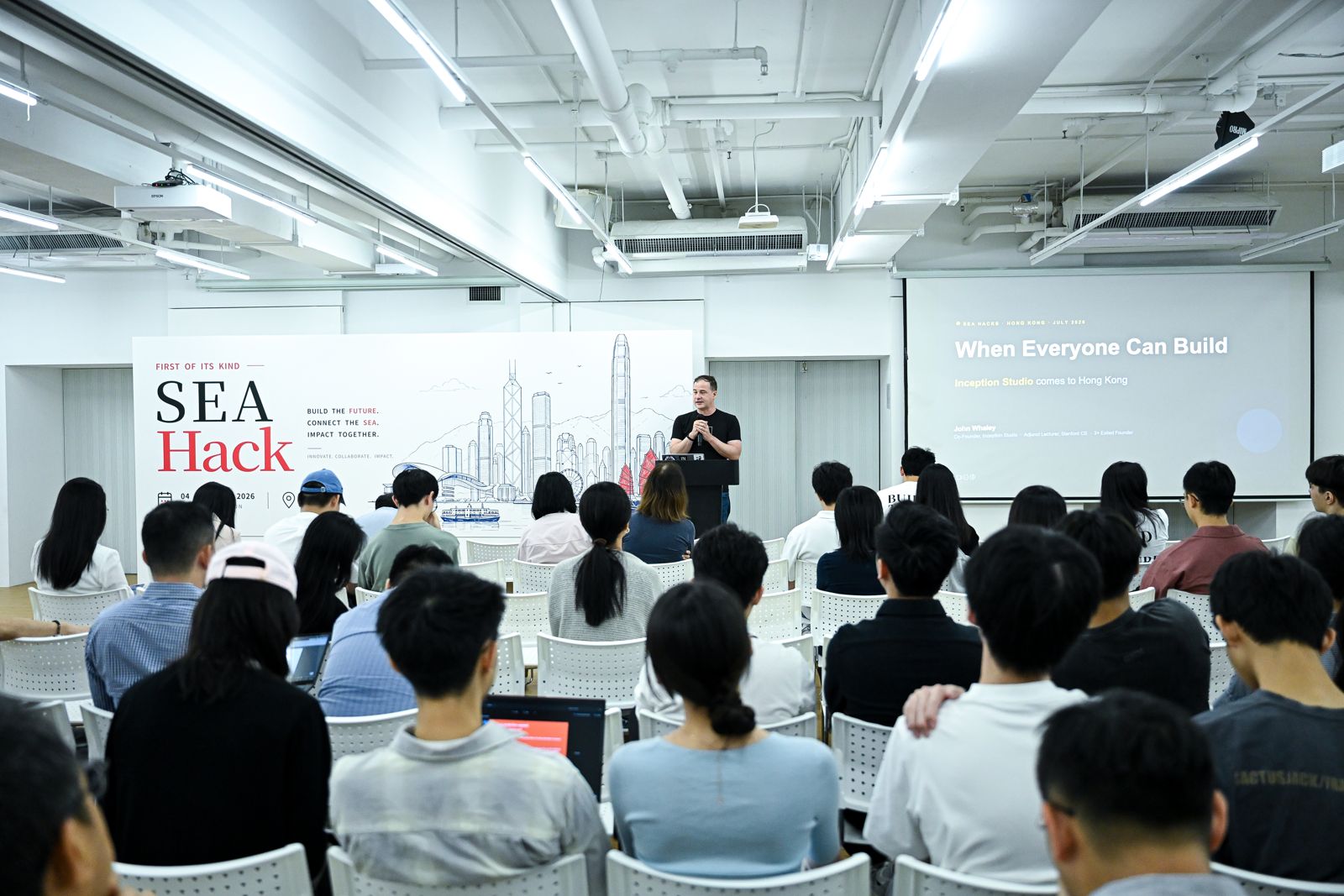
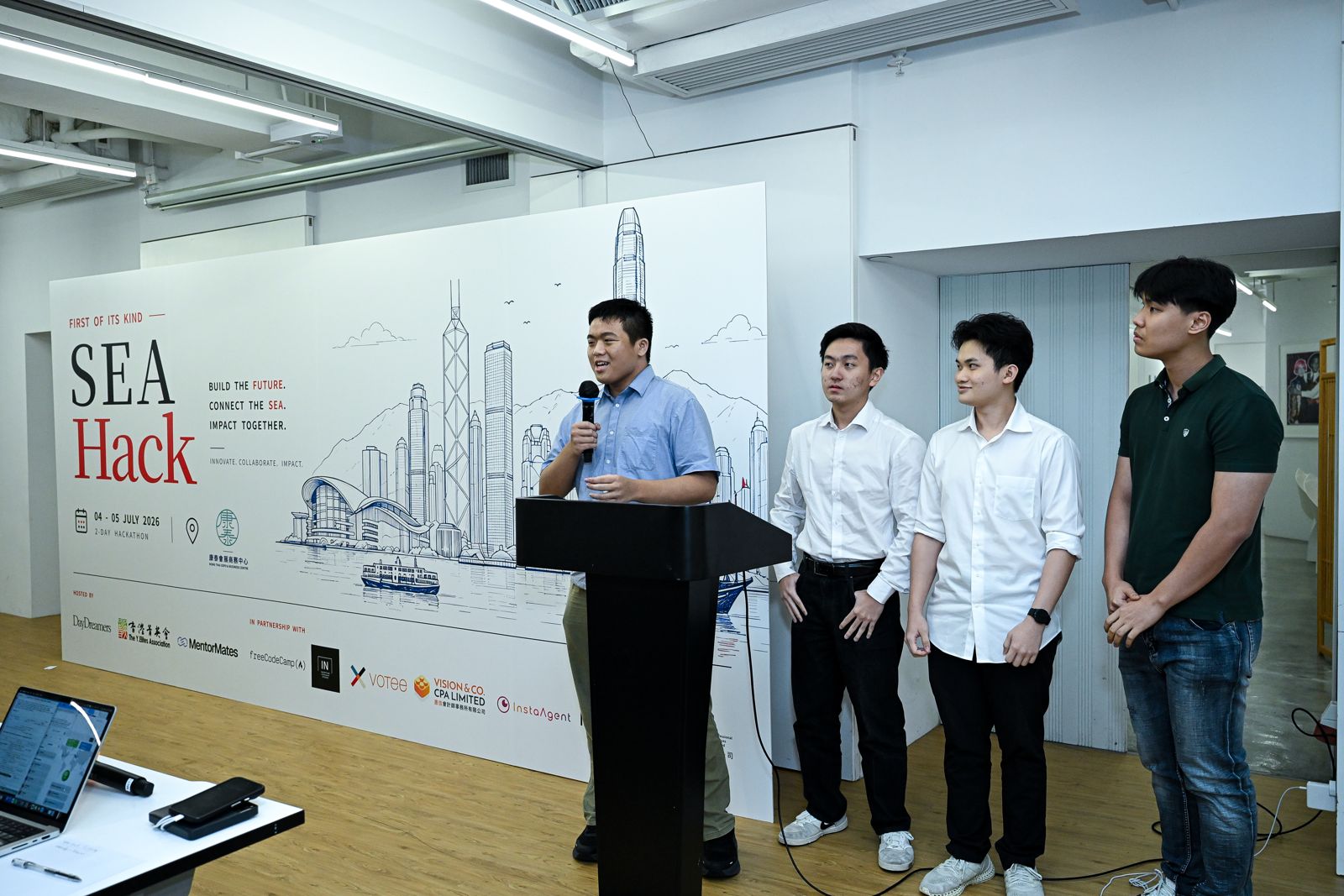
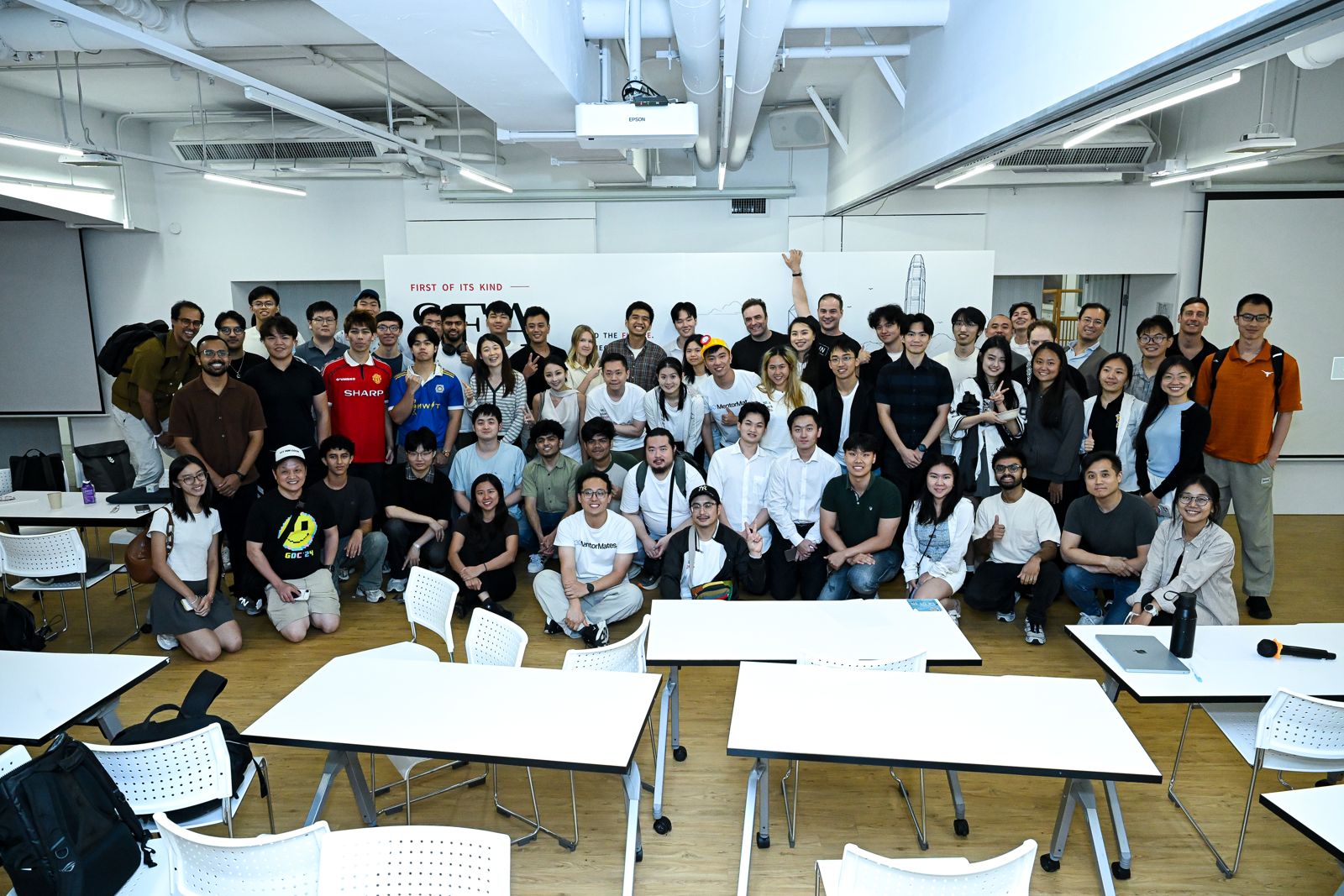
On July 4th and 5th we ran SEA Hacks in Hong Kong. 300+ people joined us across the two days, and 24 projects were submitted and judged across the community, industry and startup tracks. The room was full.
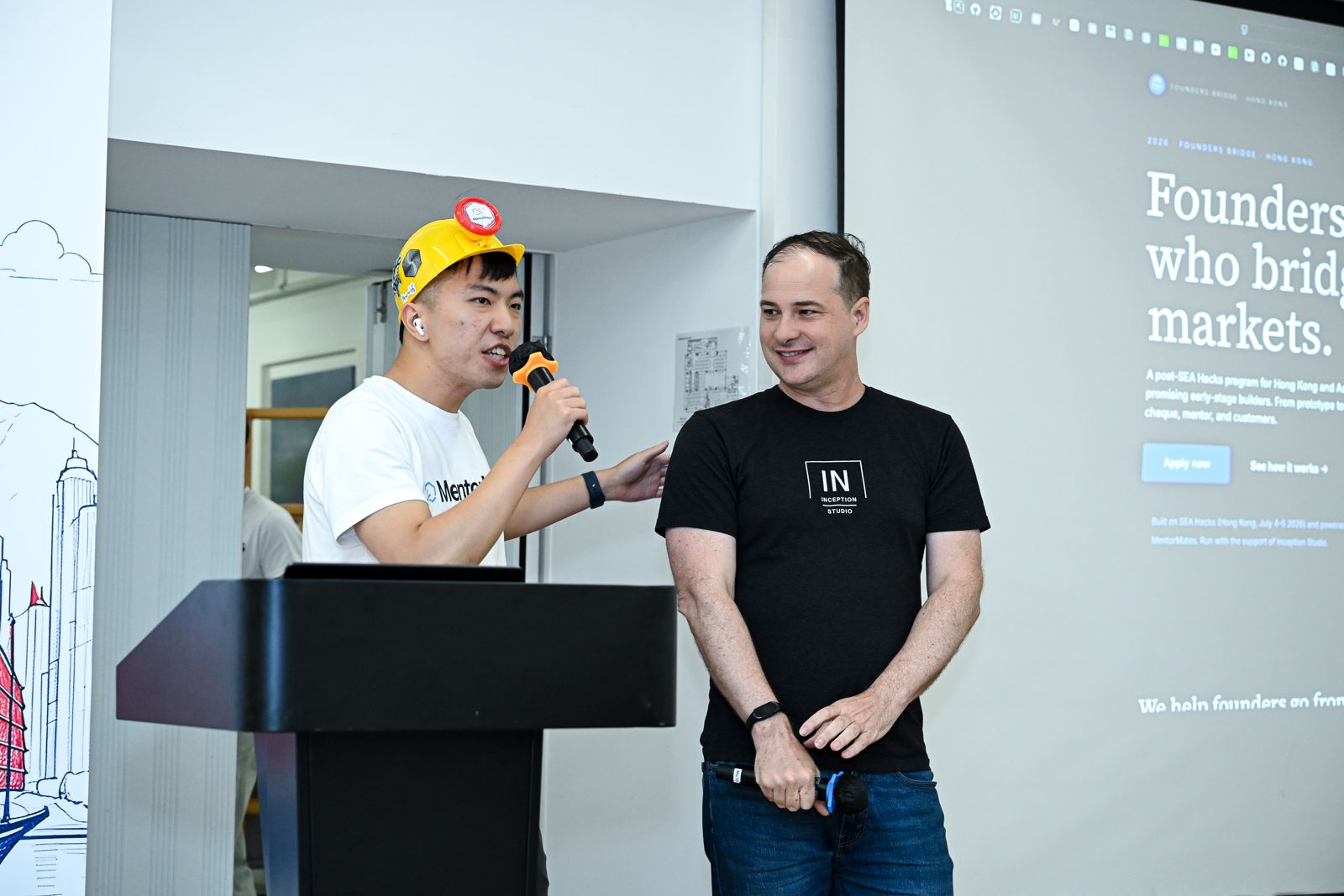
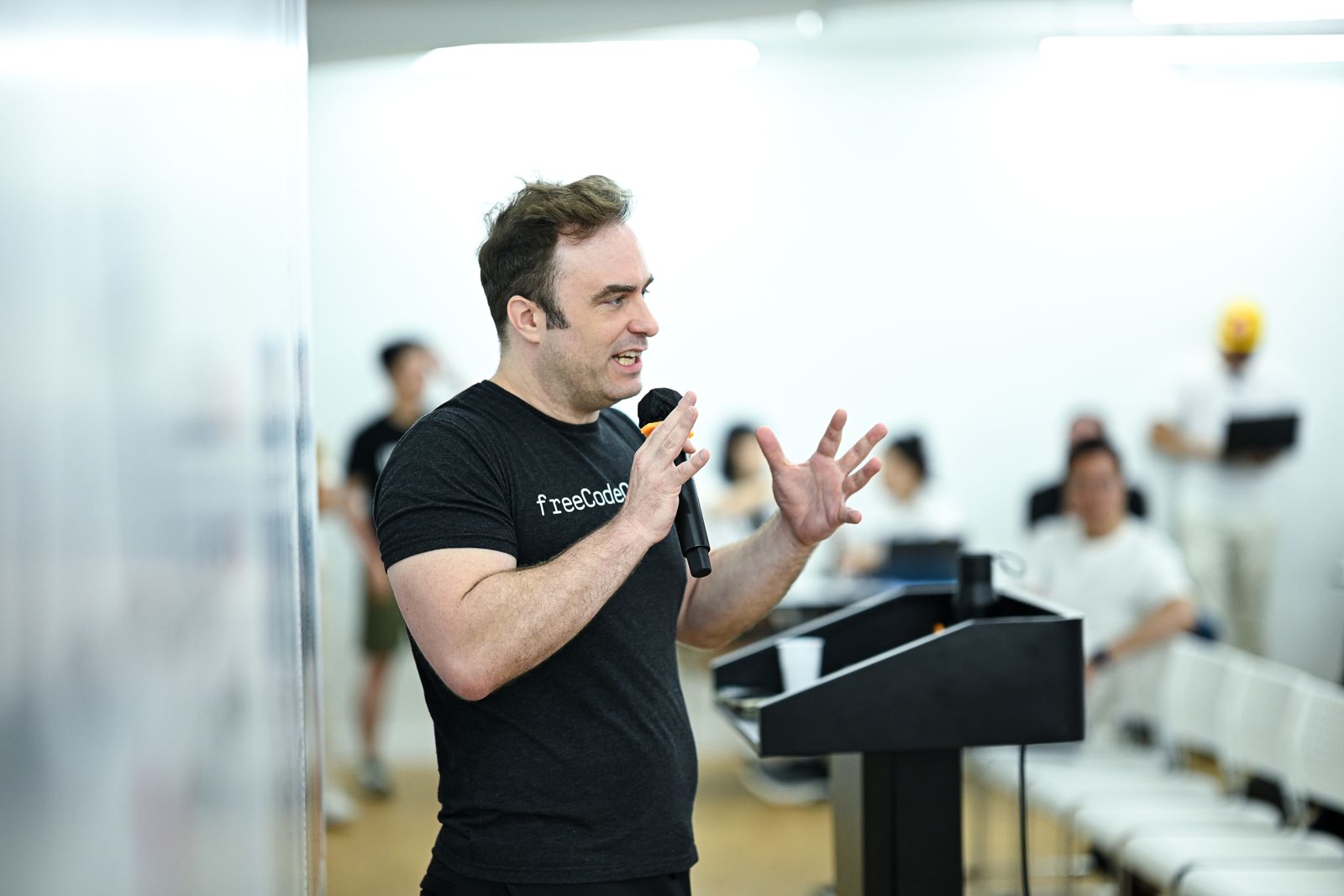
John Whaley, who taught me at Stanford and runs Inception Studio, flew out to give the keynote and to be our head judge. Quincy Larson from freeCodeCamp flew out as well, and he brought a camera. I put on my yellow builder hat and gave the opening speech, and I said the thing that I say at every hackathon, which is that it takes being different to make a difference.
Four companies in Hong Kong gave us real problems from their own businesses for the builders to work on, which was important to me, because I did not want it to be another weekend of demos that nobody needs.
Then we did the part that most hackathons miss. Since September 4th we have been running the first HK Founders Bridge cohort with Stanford Founders, five teams, most of whom we met through SEA Hacks, meeting every week, with founders and investors in San Francisco joining to give them feedback on their pitches. This Friday, October 2nd, which is Saturday morning in Hong Kong, they pitch at Demo Day.
And then last week Quincy released the documentary that he filmed with us, and it crossed 100K+ views in 3 days. I still find that a bit hard to believe. All of the projects, and the winners, are now on MentorMates, where the hackathon was hosted, so anyone who watches it is able to go and find the builders.
The freeCodeCamp documentary, filmed by Quincy Larson at SEA Hacks.
Against the goals
In March I wrote down the things that should be true by the end of this phase. I went through them one by one this week.
Done (6)
Offers that are clear and priced
people have actually paid for some of the workA case study from the Stanford Founders Demo Day
60 startups, and 300+ founder and investor profiles matched on the app that we built for itAnchor partners behind the flagship
Inception Studio, freeCodeCamp and our partners in Hong KongA flagship in July that is operationally real
SEA Hacks, July 4th and 5thA cohort running after July
the first HK Founders Bridge cohort, every week since September 4thThree to five moves between San Francisco and Hong Kong
John and Quincy flew out to Hong Kong, the documentary came back the other way, and founders and investors in San Francisco have been coaching the cohort every week
Partially done (2)
- A bank of ten real business problems from operators in Hong Kong
we have four - The first one or two paid pilots
some of the work that we do is paid, but we do not yet have a team from the cohort with a signed pilot with a Hong Kong company, which is the one that I actually care about
What I learned
I think that the biggest thing I learned is that the operations for an event are hard, a lot harder than I thought they would be, and there were days where I was not sure that we would be able to pull it all together. But I also learned that if you have a clear mission, and a clear calling, then you will be able to pull through.

As I shared, I think that we need to carry with us faith, hope and belief. I continue to pray that we are gifted with champions, and that we have mentors and supporters that are able to support us along the way.
I also learned that I cannot do this by myself. Building alone is lonely, and the weeks that went well this year were the weeks where I was in a room with other people. I am really grateful to Jeffery, to our community partners and the team in Hong Kong, to the volunteers who gave up their weekend, and to everyone who said yes before there was anything to say yes to.
What comes next
This Friday the five teams pitch at Demo Day, and for me that is not the end of it, it is the start of the harder question, which is how we are able to sustain the movement.
I think that a weekend can start something, but it takes a lot more to keep it going, and honestly I am still working out what that should look like. What I do know is that the part I enjoyed the most this year was the cohort, getting to coach the five teams every week and watch their pitches get better, and that it is also the part that costs the least to run.
To be able to do that properly I need two things. I need a team in Hong Kong who is able to run the week to week operations, so that it does not depend on whether I can pull it together by myself, and I need an organisation that is able to host it and hold a small budget for it, which I think is around US$10K for a year of cohorts. I have not done this before, so before I ask anybody for money I want to ask for advice from people who have kept a programme like this going for more than a year.
I also want to continue to grow out the ecosystem, to run more projects and try more ideas with the builders that we have met, and to make sure that we keep iterating and building and do not stop at the first version that worked.
I wanted to do something that will always live on the internet, and I think that now it does.
If this mission resonates with you, if you believe that talent is distributed evenly but opportunities are not, if you want to be democratising entrepreneurial education, talk to me. And if you have run a programme like this, or you know someone in Hong Kong who would be great at running one, I would really like to hear from you.
Photos by Isaac Wong.